The VA Can No Longer Deny Your Claim in Silence: What Women Veterans Need to Know About This Landmark Court Ruling
A federal appeals court just handed down a decision that could change everything for women veterans fighting for their benefits. Here's why you need to pay attention—and what it means for your claim.
On February 5, 2026, the U.S. Court of Appeals for the Federal Circuit delivered a ruling that sent shockwaves through the veteran community: The Department of Veterans Affairs can no longer deny claims without explicitly telling veterans. No more implicit denials. No more silent rejections. No more wondering if your claim was even considered.
For women veterans who have spent years navigating a system that already feels designed to dismiss us, this ruling is nothing short of revolutionary.
What Just Happened? The Hamill Decision Explained
The case centered on David Hamill, a Marine Corps veteran who left service in 2013 with an other-than-honorable discharge. Like thousands of veterans, Hamill sought disability benefits for post-traumatic stress disorder and other mental health conditions related to his service. When he requested that the VA reconsider its "character of discharge determination"—the decision that made him ineligible for certain benefits—the VA simply stayed silent.
No formal denial. No decision letter. No explanation. Just... nothing.
When Hamill tried to appeal, the VA argued it didn't have to provide a decision because it had already "implicitly denied" his claim. In other words, silence was their answer, and veterans were expected to understand that silence meant "no."
The federal appeals court said absolutely not.
"After all, no veteran can appeal a decision he does not understand to have been made," the judges wrote in their opinion. The court ruled that under the Veterans Appeals Improvement and Modernization Act of 2017, the VA must provide explicit notice to veterans when denying claims. Period.
Why This Matters Desperately for Women Veterans
If you're a woman veteran reading this and thinking, "This is important, but how does it affect me specifically?"—let me be crystal clear: This ruling could be the difference between getting the benefits you've earned and being silently dismissed by a system that has historically failed to see us.
The Silent Dismissal Problem Hits Women Harder
Women veterans face unique barriers in the VA claims process that make silent denials particularly devastating:
1. Our conditions are already dismissed as "stress" or "anxiety"
Remember Jessica Snyder's story about her Parkinson's disease being attributed to hormones and middle age for six years? That pattern of dismissal doesn't stop at diagnosis—it extends to benefits claims. When the VA can implicitly deny claims without explanation, women veterans who already struggle to have our service-connected conditions taken seriously are left completely in the dark.
2. Military Sexual Trauma claims require explicit decisions
Women veterans file MST-related claims at significantly higher rates than male veterans. These claims are complex, often involving mental health conditions like PTSD, depression, and anxiety. When the VA can deny these claims without explicit notice, survivors are left not knowing whether their claim was even considered, much less why it was denied. This ruling means MST survivors will now receive clear decisions they can appeal.
3. We're more likely to have "non-traditional" service-connected conditions
Women veterans often develop conditions that don't fit the VA's traditional mold—chronic pain conditions, autoimmune disorders, reproductive health issues related to toxic exposure, mental health conditions from harassment or discrimination during service. When these claims can be implicitly denied, we're left wondering if the VA even understood what we were claiming. Explicit denials force the VA to explain their reasoning, which creates a record we can challenge.
4. We navigate the system with fewer resources
Women veterans are less likely to be connected to Veterans Service Organizations and more likely to file claims on our own. When you're navigating the VA system without representation, silent denials are catastrophic—you don't even know there's something to appeal. This ruling ensures that even unrepresented women veterans will receive clear notice of denials.
What "Implicit Denial" Actually Looked Like (And Why It Was Devastating)
Let's be specific about what this ruling just eliminated. Under the old "implicit denial doctrine," the VA could:
Process some parts of your multi-issue claim and simply ignore others
Stay silent when you requested reconsideration of a decision
Deny claims without issuing a decision letter you could appeal
Force you to guess whether your claim was denied, pending, or lost in the system
For women veterans juggling multiple service-connected conditions (which many of us are), this meant you might receive a decision on your PTSD claim but hear absolutely nothing about your chronic pain, autoimmune condition, or reproductive health issue. When months passed with no word, you were left wondering: Did they deny it? Are they still processing it? Did they lose my paperwork? Should I refile?
The implicit denial doctrine said that silence was an answer—and you should have known to appeal it.
This is particularly insidious for women veterans because:
We're more likely to have complex, multi-issue claims involving both physical and mental health conditions
We're more likely to be filing for the first time years after separation when we finally connect our current health issues to military service
We're less likely to have advocates telling us "that silence means denial" because we're not as connected to traditional veteran networks
What This Ruling Actually Does
The Federal Circuit Court's decision in Hamill v. Collins eliminates the implicit denial doctrine entirely. Here's what it means in practice:
You Will Receive Explicit Notice
The VA must now explicitly tell you when it denies any part of your claim. This includes:
Initial claim denials
Requests for reconsideration
Character of discharge determinations
Secondary condition claims
Increased rating requests
Any other benefits decision
You'll Know What Was Decided
The decision letter must make clear that your specific issue was adjudicated and how it was decided. No more wondering if the VA even looked at your claim for that secondary condition or if they just forgot about it.
You Can Actually Appeal
"Congress emphasized how important it is for veterans to understand VA decisions," said Renee Burbank, Director of Litigation at the National Veterans Legal Services Program. "The Federal Circuit rightly concluded that there is no place for implicit denials in VA's modernized appeals system."
You can't appeal a decision you don't know was made. This ruling ensures you have an actual decision to challenge when the VA denies your claim.
Real-World Impact: What This Changes for Your Claim
Let's get practical. Here's how this ruling changes things for women veterans with active or future claims:
Scenario 1: Multi-Issue Claims
Before this ruling: You file a claim for PTSD from MST, chronic pain from a service injury, and anxiety related to military harassment. The VA issues a decision on your PTSD claim but says nothing about the chronic pain or anxiety. Months go by. You don't know if those claims are still pending or were implicitly denied.
After this ruling: The VA must explicitly address each condition in your claim. If they're denying your chronic pain or anxiety claims, they must tell you so in writing with clear notice that allows you to appeal.
Scenario 2: Character of Discharge Issues
Before this ruling: You request that the VA reconsider a character of discharge determination that's preventing you from accessing benefits. The VA issues a decision on something else but stays silent on the discharge issue. You're left guessing whether your request was even considered.
After this ruling: The VA must explicitly decide your character of discharge request and notify you of the decision. If denied, you now have a clear path to appeal.
Scenario 3: Secondary Conditions
Before this ruling: You file for secondary conditions related to your service-connected PTSD—insomnia, migraines, gastrointestinal issues. The VA addresses one but ignores the others. You don't know if you should refile or if they were implicitly denied.
After this ruling: The VA must explicitly decide each secondary condition claim and tell you the outcome. No more guessing games.
What You Should Do Right Now
If you're a woman veteran with a current VA claim or thinking about filing one, here's your action plan:
If You Have a Pending Claim
1. Check your status regularly through VA.gov or the VA mobile app. While the VA should be providing explicit notices going forward, stay on top of your claim.
2. Document everything including the date you filed, what conditions you claimed, and any correspondence from the VA. If you receive a decision that doesn't address all your claimed conditions, you now have grounds to demand explicit decisions.
3. Don't assume silence means anything If you haven't received a decision on part of your claim, contact the VA and demand an explicit decision. Reference the Hamill v. Collins decision if necessary.
If You've Been Waiting for Months
1. Request a status update in writing Ask specifically about each condition you claimed. If the VA hasn't decided something, they need to tell you that explicitly.
2. File for reconsideration if needed If you believe the VA implicitly denied part of your claim before this ruling, you may now have grounds to request reconsideration with explicit notice.
3. Consider getting representation Contact a Veterans Service Organization, accredited attorney, or claims agent who can advocate for explicit decisions on all aspects of your claim.
If You're Planning to File
1. Be comprehensive and specific List every condition you're claiming clearly and explicitly. The more specific you are, the harder it is for the VA to stay silent about any part of your claim.
2. Expect explicit responses You now have legal backing to demand clear decisions on every condition you claim. Don't accept vague or partial decisions.
3. Know your appeal rights When you receive a denial (and you will receive one if the VA denies your claim), you have one year to appeal through the Decision Review process. Don't let that deadline pass.
The Bigger Picture: This Is About Respect and Accountability
This ruling isn't just about administrative procedure—it's about forcing the VA to respect the veterans it serves. For women veterans who have spent decades being dismissed, overlooked, and silenced, this court decision says: You deserve clear answers. You deserve to know what's happening with your claim. You deserve the opportunity to fight for what you've earned.
The implicit denial doctrine was a relic of a system that valued efficiency over justice, that prioritized clearing backlogs over ensuring veterans received what they were owed. It disproportionately harmed women veterans, veterans with complex claims, and veterans without representation.
That doctrine is now dead.
What Advocacy Organizations Are Saying
"Veterans deserve to know what the VA is doing with their claims," said Renee Burbank of the National Veterans Legal Services Program, which represented David Hamill. "There is no place for implicit denials in VA's modernized appeals system."
Yelena Duterte, director of the Veterans Legal Clinic at the University of Illinois, emphasized that "veterans, especially those with lower-than-honorable discharges, need to receive a clear decision by the VA."
These advocacy groups have been fighting for years to eliminate the implicit denial doctrine. Their victory in Hamill v. Collins is your victory too.
Your Rights Under the Veterans Appeals Improvement and Modernization Act
The court's ruling reinforces what Congress intended when it passed the Veterans Appeals Improvement and Modernization Act of 2017. That law was designed to:
Provide veterans with clear, detailed notification letters about decisions
Give veterans multiple pathways to appeal denials
Ensure veterans understand what was decided and why
Create a modern appeals system that respects veterans' rights
The implicit denial doctrine violated all of these principles. This court ruling brings the VA back in line with what Congress mandated.
Moving Forward: The VA's Response
The VA has stated it's "reviewing this decision and will respond appropriately." Press Secretary Peter Kasperowicz noted that "VA issues decision notices to all veterans who file a claim."
That's exactly the point—the VA should be issuing clear decision notices. This ruling ensures they can't avoid that responsibility through implicit denials.
What This Means for CAPT JANE's Mission
At CAPT JANE, our commitment to women veterans extends beyond empowerment apparel. It's about ensuring every woman who's served knows her rights, understands the systems designed to serve her, and has the information needed to fight for what she's earned.
This court ruling is a perfect example of why staying informed matters. Women veterans who don't know about Hamill v. Collins might accept silence as an answer when they now have legal grounds to demand explicit decisions.
We're committed to keeping you informed about changes that affect your benefits, your rights, and your future. Because empowerment isn't just about how you see yourself—it's about knowing what you're owed and having the tools to claim it.
Resources for Women Veterans
Parkinson's Foundation Veteran Helpline: 1-800-4PD-INFO (1-800-473-4636)
National Veterans Legal Services Program: www.nvlsp.org
Veterans Legal Clinic at University of Illinois Chicago: https://law.uic.edu/clinics/veterans-legal-clinic
VA Decision Reviews: www.va.gov/decision-reviews
Women Veterans Call Center: 1-855-VA-WOMEN (1-855-829-6636)
The Bottom Line
The U.S. Court of Appeals for the Federal Circuit just told the VA: No more hiding behind silence. No more implicit denials. If you're going to deny a veteran's claim, you must tell them explicitly so they can appeal.
For women veterans who have spent too long being dismissed, ignored, and silenced, this ruling is a small but significant victory. It won't fix all the problems with the VA benefits system. It won't eliminate the backlog or guarantee your claim gets approved.
But it does ensure that when the VA makes a decision about your benefits—the benefits you earned through your service—they have to actually tell you what they decided.
That's not asking for special treatment. That's asking for basic respect.
And thanks to Hamill v. Collins, you're legally entitled to it.
Original article: Appeals court strikes down decision that let the VA deny claims without clearly notifying veterans | Stars and Stripes
When the Invisible Becomes Visible: Women Veterans and Parkinson's Disease
When retired Coast Guard Lt. Commander Jessica Snyder began experiencing unusual symptoms in 2013—just a year after returning from combat deployment in the Middle East—military doctors attributed them to stress, anxiety, and the challenges of being a woman entering middle age. Bladder incontinence, sleep disturbances, severe blood pressure drops when simply bending to tie her shoes. The explanations were dismissive, the symptoms minimized.
Six years later, at just 39 years old, Snyder received a diagnosis that changed everything: young-onset Parkinson's disease.
Her story illuminates a critical gap in how we understand, diagnose, and support women veterans living with Parkinson's—a gap that leaves too many fighting for recognition, resources, and community.
The Hidden Face of Parkinson's
When most people think of Parkinson's disease, they envision elderly men with visible tremors. This narrow perception creates a blind spot that's particularly harmful to women veterans who develop symptoms at younger ages or present differently than the stereotype.
Snyder's experience reflects this reality. Despite being responsible for 3,400 Coast Guard personnel's careers and preparing to lead a 145-person rapid deployment unit, her legitimate health concerns were brushed aside. The underlying assumption? Women are stressed, hormonal, anxious—anything but seriously ill.
The truth is more complex and more urgent. Over 110,000 veterans with Parkinson's disease currently receive care through the Department of Veterans Affairs. While the exact cause remains unknown, research points to genetic and environmental factors. For veterans, exposure to Agent Orange or other herbicides during military service has been linked to developing Parkinson's, making it a service-connected condition that qualifies for VA disability compensation and healthcare.
The Search for Community
After her diagnosis, Snyder did what many of us would do—she searched for resources, support groups, and community. What she found was disheartening.
"I was searching all the different things. Women with Parkinson's. Young people with Parkinson's. Military with Parkinson's," she explained. "I just wasn't finding a lot of information that looked like me or pertained to me at the time."
The available resources predominantly featured older white men—not young female veterans navigating both the VA system and a progressive neurological disease. The representation gap wasn't just about visibility; it was about access to relevant information, appropriate treatment approaches, and peer support from people who understood the unique intersection of military service, gender, and chronic illness.
Building the Bridge
Rather than accepting the isolation, Snyder became the resource she couldn't find. She connected with the Parkinson's Foundation, which has formally partnered with the VA since 2020 to improve care for veterans living with Parkinson's. She sought out support groups and built community connections. Most importantly, she began mentoring newly diagnosed veterans and women navigating the VA system.
"I'm no longer on the path of being a starred admiral, but I've found a different avenue to be of service," Snyder said. "Mentorship drives me."
That sense of service—so central to military identity—now channels toward advocacy and visibility for female veterans with Parkinson's. Her work ensures that the next young woman veteran experiencing unexplained symptoms won't search in vain for someone who understands.
What You Need to Know
If you're a woman veteran experiencing symptoms that seem unexplained or are being dismissed, here's what you should know:
Recognize the symptoms: Parkinson's doesn't always present as tremors. Watch for sleep behavior changes, blood pressure irregularities, bladder issues, stiffness, balance problems, and fatigue that seems disproportionate to activity level.
Advocate for yourself: If medical providers dismiss your concerns as stress or anxiety without thorough investigation, push back. Request referrals to specialists. Document your symptoms. You know your body.
Understand your eligibility: Veterans with Parkinson's who were exposed to herbicides like Agent Orange during service may qualify for VA disability compensation and healthcare. Don't assume you don't qualify—file a claim and let the evidence speak.
Find community: The Parkinson's Foundation offers a toll-free Helpline at 1-800-4PD-INFO. In the last year alone, more than 2,600 cases concerned veterans. You're not alone, even when it feels that way.
Consider mentorship: Whether you're newly diagnosed or years into your journey, connecting with someone who understands both military culture and Parkinson's can make an enormous difference.
The Bigger Picture
Snyder's story isn't just about Parkinson's disease. It's about the systemic ways women veterans' health concerns are minimized, dismissed, or attributed to gender-based stereotypes rather than investigated as legitimate medical issues. It's about the gaps in representation that make women feel invisible even when they're fighting serious illnesses. And it's about the power of one person refusing to accept that invisibility.
While most people develop Parkinson's at 50 or older, young-onset cases like Snyder's remind us that chronic illness doesn't follow neat timelines or demographics. Women veterans deserve resources that reflect their experiences, healthcare providers who take their symptoms seriously, and communities where they can find support without having to be the first, the only, or the pioneer.
Moving Forward
As we move through 2026, CAPT JANE remains committed to amplifying the voices and experiences of women veterans navigating health challenges that too often go unrecognized. Snyder's advocacy work demonstrates what becomes possible when we refuse to let women veterans remain invisible.
If you're a woman veteran living with Parkinson's or experiencing unexplained symptoms, know this: You deserve to be heard. You deserve thorough medical investigation. You deserve community and support. And you deserve to have your service recognized not just in gratitude, but in the quality and accessibility of your healthcare.
The path forward requires visibility, advocacy, and the courage to share stories that challenge misconceptions. Jessica Snyder is building that path. The question is: How can we support her and the thousands of women veterans facing similar battles?
If you or someone you know is a woman veteran living with Parkinson's disease, the Parkinson's Foundation Helpline is available at 1-800-4PD-INFO (1-800-473-4636). Veterans may also be eligible for specialized care through VA Parkinson's Disease Research, Education and Clinical Centers (PADRECCs) located at VA medical centers nationwide. Read the original article: https://www.audacy.com/connectingvets/news/women-veterans/helping-female-veterans-living-with-parkinsons-disease
I Am Enough: Reclaiming Your Self-Worth After Service
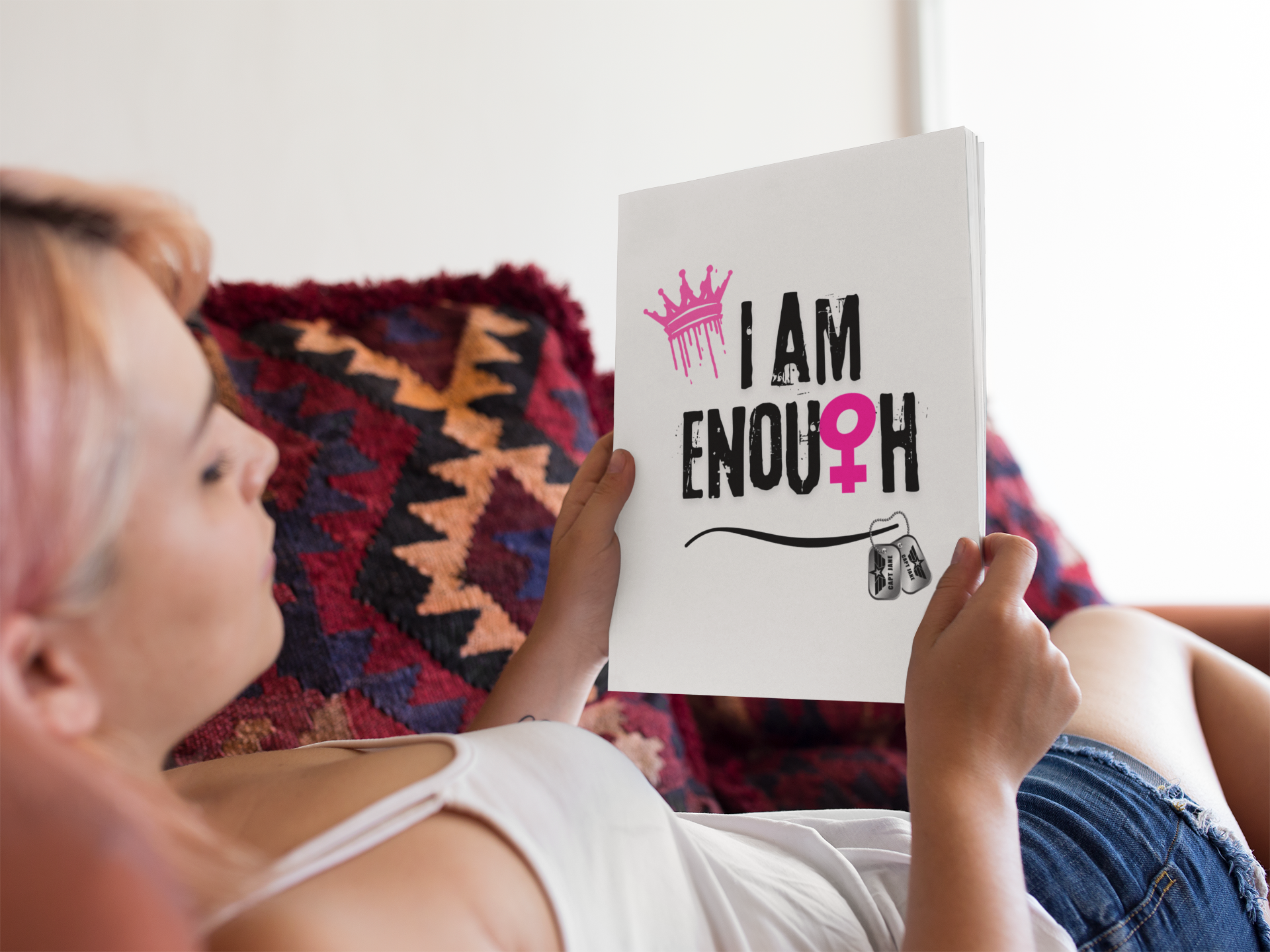
You've served your country. You've led teams through impossible situations. You've proven yourself in ways most people never will. So why does it still feel like you have to earn your place at the table?
If you're a female veteran or first responder, chances are you've spent years—maybe your entire career—proving you belong. Proving you're strong enough. Tough enough. Capable enough. And somewhere along the way, that constant need to prove yourself became woven into your identity.
But here's the truth that no one tells you when you transition out of service or step away from the badge: You are enough, exactly as you are. You always have been.
The Exhausting Cycle of Proving Yourself
In male-dominated fields like the military and first responder communities, women face an unspoken expectation to be twice as good to be considered half as capable. You learned early that mistakes weren't just mistakes—they were proof that women didn't belong. So you worked harder, pushed further, and sacrificed more.
You earned your place through blood, sweat, and sheer determination. And it was worth it—until you realized that no amount of achievement would silence that voice inside asking, "Am I good enough?"
That's because self-worth was never about what you accomplished. It was always about believing you were worthy of respect, love, and belonging simply because you exist.
The Weight We Carry
Many female veterans and first responders carry invisible wounds that have nothing to do with physical danger. They're the wounds of being questioned, dismissed, or having to fight for credibility in every room you enter.
You remember the comments. The doubts. The times you were overlooked for promotions or leadership opportunities. The moments when your expertise was ignored until a male colleague said the exact same thing.
You internalized those experiences. You told yourself that if you just worked harder, achieved more, or became indispensable, you'd finally feel secure in your worth.
But that day never came. Because external validation can never fill an internal void.
Breaking the Pattern
Recognizing your inherent worth isn't about diminishing your accomplishments. Your service matters. Your sacrifices count. Your achievements are real and significant.
But they're not what make you worthy.
You are worthy because you are human. Not because of what you've done, but because of who you are.
This shift in perspective is revolutionary for women who've spent years in service. It means:
You don't have to be perfect to deserve respect
Your value isn't determined by your productivity
You can set boundaries without feeling guilty
Your needs matter just as much as everyone else's
You're allowed to take up space without apologizing
What "I Am Enough" Really Means
Saying "I am enough" isn't arrogance. It's not settling or giving up on growth. It's not an excuse to stop trying.
It's a declaration that your foundation is solid. That you're complete as you are, even while continuing to evolve. That your worth isn't contingent on achievement, approval, or perfection.
For female veterans and first responders, embracing "I am enough" means:
Releasing the need to prove yourself constantly. You've already proven yourself a thousand times over. Anyone who can't see that isn't worth convincing.
Honoring your service without being defined by it. You're more than your rank, your badge, or your uniform. Your identity extends beyond what you did for others.
Accepting that you're a work in progress—and that's okay. Growth doesn't mean you're currently insufficient. It means you're human.
Setting boundaries that protect your peace. You spent years putting others first. It's time to put yourself on that list too.
Believing you deserve good things—even when you haven't "earned" them. Rest isn't a reward for productivity. Joy isn't contingent on achievement. You deserve both, simply because you're alive.
The Practical Side of Self-Worth
Believing you're enough isn't just feel-good philosophy. It has tangible impacts on your life:
In relationships: You stop settling for people who make you feel small. You recognize red flags earlier. You communicate your needs without fear.
In your career: You negotiate better. You apply for opportunities you're qualified for instead of waiting until you're overqualified. You stop volunteering to do everyone else's job.
In daily life: You make decisions faster because you trust yourself. You stop over-explaining your choices. You spend less mental energy seeking approval.
In your mental health: You experience less anxiety because your worth isn't on trial every day. You're kinder to yourself when you make mistakes. You actually rest instead of constantly trying to prove you deserve a break.
The Journey Forward
If you're reading this and thinking, "That sounds nice, but I don't feel that way yet"—that's okay. Internalizing your worth after years of proving yourself is a journey, not a switch you flip.
Start small:
Notice when you're seeking external validation. Just awareness is the first step. When you catch yourself over-explaining, over-apologizing, or working to prove your value, pause and ask: "What would I do if I already believed I was enough?"
Challenge the voice that says you're not ready. That voice protected you in hostile environments. Thank it for its service, then gently remind it that you're safe now.
Surround yourself with people who see your worth. Connect with other female veterans and first responders who get it. Their reflection of your value can help you see it in yourself.
Give yourself permission to be imperfect. Practice making small mistakes without spiraling. Normalize being human.
Celebrate who you are, not just what you do. Your character, your resilience, your heart—these matter more than your résumé.
You've Always Been Enough
Here's what I wish someone had told me years ago: The strength it took to survive in environments that didn't value you? That strength came from within. It was always yours.
The courage to keep showing up when you were constantly underestimated? That courage was inherent.
The resilience to push through when others doubted you? That resilience is part of who you are.
You didn't earn these qualities by proving yourself. You proved yourself because you already possessed them.
Your worth has never been up for debate. It was never contingent on performance, approval, or achievement. It's been there all along, waiting for you to recognize it.
Own Your Power
The "I AM ENOUGH" message isn't just words on a shirt. It's a mindset shift that changes everything.
It's permission to stop performing and start living.
It's freedom from the exhausting cycle of proving your value.
It's the radical act of believing you matter—not because of what you've done, but because of who you are.
You are enough.
Not because you served with honor (though you did).
Not because you saved lives (though you may have).
Not because you earned respect in impossible circumstances (though you certainly did that too).
You are enough because you exist. Because you're human. Because your inherent worth isn't something that can be earned or lost—it simply is.
So wear it proudly. Speak it boldly. Believe it deeply.
You are enough. You always have been.
At CAPT JANE, we create empowerment apparel for women who serve—because you deserve to feel as powerful as you are. Our "I AM ENOUGH" collection is a daily reminder that your worth isn't up for debate.
Shop the collection at captjane.com and join a community of women who refuse to shrink themselves to fit spaces that were never built for them.
Own Your Power. You Are Enough.
Share this post with a strong woman who needs this reminder today.
Stepping Into 2026: A Year of Women's Empowerment and Strength
Excerpt
As we welcome 2026, the women veteran community stands at a powerful threshold. This year is dedicated to women's empowerment—a time for those who've served to claim the benefits they've earned, connect with resources designed specifically for them, and break through barriers together. From maximizing VA disability claims to tapping into women veteran-specific programs, 2026 is the year to advocate for yourself and thrive. Welcome to your year—let's make it count.
Happy New Year from all of us at CAPT JANE!
As we turn the page on 2024 and welcome 2025, there's an undeniable energy in the air—a collective sense that this year belongs to women who've served. This isn't just another new year; it's a pivotal moment for women's empowerment, particularly for those of us who've worn the uniform and now navigate the complex terrain of civilian life.
The women veteran community is rising, and 2025 is our year to claim what we've earned, support one another, and break through barriers that have held us back for too long. Whether you transitioned last month or decades ago, the time to advocate for yourself and maximize your benefits is now.
Three Essential Tips for Maximizing Your VA Benefits in 2026
1. File or Update Your Disability Claim—Don't Leave Money on the Table
Too many women veterans underutilize their VA disability benefits, often because we're conditioned to "push through" or because we don't realize certain conditions qualify. Military Sexual Trauma (MST), mental health conditions like anxiety and depression, musculoskeletal injuries, and conditions related to burn pits or toxic exposure all qualify for compensation.
If you've never filed, 2025 is your year to start. If you filed years ago, consider whether your conditions have worsened or if new service-connected issues have emerged. The PACT Act has expanded eligibility for toxic exposure claims, and many women who served in Iraq, Afghanistan, and other locations now qualify for presumptive conditions they didn't before.
2. Tap Into Women Veteran-Specific Programs and Resources
The VA has made significant strides in creating programs specifically designed for women veterans, yet many of us don't know they exist. Seek out your local Women Veterans Program Manager at your VA Medical Center—they're your advocate and can connect you with gender-specific healthcare, childcare assistance while you attend appointments, and peer support groups.
Additionally, organizations like Grace After Fire, Service Women's Action Network (SWAN), and the Women Veterans Network offer mentorship, career support, and community connections. You've served your country; now let these resources serve you.
3. Explore Education and Career Benefits Beyond the GI Bill
While the GI Bill is well-known, women veterans should also investigate the Veteran Readiness and Employment (VR&E) program, which provides career counseling, job training, and even assistance with entrepreneurship if you have a service-connected disability rating of at least 10%. This program can be a game-changer if you're looking to pivot careers or start your own business.
Don't overlook state-specific benefits either—many states offer additional education benefits, property tax exemptions, and hiring preferences for veterans that stack on top of federal programs.
Our Commitment to You
At CAPT JANE, we're committed to walking alongside you this year. Women's empowerment isn't just a buzzword—it's a mission. It means ensuring that every woman who served has the knowledge, resources, and support to thrive in 2026 and beyond.
Here's to a year of breaking barriers, claiming what's ours, and lifting each other up. You've earned it.
Welcome to 2026—let's make it count.
With respect and solidarity,
The CAPT JANE Team
10 Challenges Women Veterans Face (And How to Overcome Them)
Women veterans face unique challenges after military service. From healthcare to employment, learn the top 10 issues female veterans encounter and practical solutions to overcome them.
Women have served in the United States military in various capacities for centuries, breaking barriers and demonstrating immense courage and dedication. As they transition from military service to civilian life, women veterans face a unique set of challenges that differ from those of their male counterparts. Recognizing these hurdles is the first step toward building a supportive environment where they can thrive.
This post explores ten significant challenges women veterans encounter and offers practical advice and resources for overcoming them. Whether you are a woman veteran seeking support or an ally wanting to help, this guide provides actionable steps for navigating the post-service landscape.
1. Transitioning to Civilian Identity
Many veterans struggle with the shift from a highly structured military environment to the ambiguity of civilian life. For women, this can be compounded by societal expectations and a feeling of invisibility. Military identity is strong and all-encompassing. Losing that can feel like losing a part of oneself.
How to Overcome It:
Find a New Community: Connect with other women veterans who understand your experience. Organizations like The Mission Continues and Team Red, White & Blue offer service platoons and events that bring veterans together for community projects and physical activities.
Redefine Your Purpose: Military service provides a clear sense of purpose. In civilian life, you have the opportunity to define a new one. Explore hobbies, volunteer for causes you care about, or pursue further education. This helps build a new identity that honors your past while looking toward the future.
Translate Your Skills: Learn to articulate your military experience in civilian terms. A "squad leader" is a "team manager." "Logistics coordination" is "supply chain management." This reframing helps you and potential employers see the value you bring.
2. Accessing Gender-Specific Healthcare
The Department of Veterans Affairs (VA) has made significant strides in providing care for women, but gaps remain. Many VA facilities were originally designed for a predominantly male population, leading to challenges in accessing comprehensive women's health services, including gynecological, prenatal, and specialized mental health care.
How to Overcome It:
Know Your Benefits: Familiarize yourself with the services available through the VA. Every VA medical center now has a Women Veterans Program Manager to help you navigate the system and coordinate care.
Advocate for Yourself: Don't hesitate to ask for what you need. If a particular service isn't available at your local VA, inquire about community care options, where the VA covers treatment from a private provider.
Use Designated Resources: The VA's Women Veterans Health Care program offers a wealth of resources, including telehealth services, maternity care coordination, and support for chronic conditions.
3. Dealing with Military Sexual Trauma (MST)
Military Sexual Trauma (MST) refers to experiences of sexual assault or repeated, threatening sexual harassment that occurred during military service. While men can also experience MST, women are disproportionately affected. The impact of MST can be long-lasting, contributing to PTSD, depression, and other mental health conditions.
How to Overcome It:
Seek Specialized Treatment: The VA provides free, confidential counseling and treatment for mental and physical health conditions related to MST. You do not need to have a service-connected disability rating to access these services.
Find a Support Group: Connecting with other survivors can be incredibly healing. The VA and other veteran service organizations (VSOs) offer MST-specific support groups where you can share your experience in a safe environment.
Report and Document: If you are comfortable doing so, reporting the incident can be an empowering step. Even if you choose not to, documenting your experience for a VA disability claim can ensure you receive the benefits you are entitled to.
4. Overcoming Stereotypes and Misconceptions
When people think of a "veteran," they often picture a man. This can lead to women veterans feeling invisible or having their service questioned. They may face comments like, "You don't look like a veteran," which can be invalidating and frustrating.
How to Overcome It:
Own Your Story: Be proud of your service. Your experience is valid and important. Correcting misconceptions can be tiring, but it also helps change public perception one conversation at a time.
Connect with Fellow Women Veterans: Finding a community that sees and acknowledges your service can counteract feelings of invisibility. Sharing stories with others who "get it" is a powerful form of validation.
Wear Your Veteran Status Proudly: If you're comfortable, wearing a hat, pin, or shirt that identifies you as a veteran can help normalize the image of women in this role.
5. Balancing Work and Family Life
Like many working women, women veterans often juggle the responsibilities of a career and family. However, they may also be dealing with service-related injuries, mental health conditions, or the unique challenges of being a single parent, which is more common among women veterans than their civilian counterparts.
How to Overcome It:
Build a Strong Support System: Lean on family, friends, and fellow veterans. Don't be afraid to ask for help with childcare, errands, or simply for someone to talk to.
Seek Flexible Employment: Look for employers who offer flexible work schedules, remote work options, or family-friendly policies. Many companies with veteran hiring initiatives understand the need for a healthy work-life balance.
Prioritize Self-Care: You cannot pour from an empty cup. Make time for activities that recharge you, whether it's exercise, meditation, or a hobby. Self-care is not a luxury; it's essential for managing stress.
6. Higher Rates of PTSD and Mental Health Issues
Women veterans are more likely to be diagnosed with Post-Traumatic Stress Disorder (PTSD) than their male counterparts. This is often linked to higher rates of MST, but combat exposure and the stress of navigating a male-dominated culture also play a role.
How to Overcome It:
Acknowledge the Symptoms: PTSD symptoms can include flashbacks, anxiety, emotional numbness, and difficulty sleeping. Recognizing these signs is the first step toward getting help.
Explore Therapy Options: The VA offers various evidence-based therapies for PTSD, such as Cognitive Processing Therapy (CPT) and Prolonged Exposure (PE). Find a therapist you trust and a modality that works for you.
Consider Peer Support: Sometimes, the most effective support comes from someone who has walked in your shoes. Programs like Vets4Warriors connect you with a fellow veteran for confidential peer support.
7. Finding Meaningful Employment
While many employers are eager to hire veterans, they may not understand how military skills translate to civilian jobs. Women veterans can face the double bind of gender bias and misconceptions about military service, making the job search even more difficult.
How to Overcome It:
Use Veteran-Specific Job Resources: Websites like Hire Heroes USA, VetJobs, and the Department of Labor's VETS program offer job boards and career counseling specifically for veterans.
Network Strategically: Attend job fairs for veterans and connect with other professionals on platforms like LinkedIn. Informational interviews can be a great way to learn about an industry and get your foot in the door.
Work with a Mentor: A mentor can provide guidance on resume writing, interview skills, and navigating corporate culture. American Corporate Partners (ACP) offers a fantastic mentorship program that pairs veterans with professionals from top companies.
8. Financial Instability
The transition to civilian life can bring financial stress. Finding a job that matches military pay can be difficult, and many veterans face housing insecurity or homelessness. Women veterans, particularly those who are single mothers, are the fastest-growing segment of the homeless veteran population.
How to Overcome It:
Create a Transition Budget: Before leaving the service, create a detailed budget that accounts for housing, utilities, food, and other expenses.
Access Financial Assistance Programs: Organizations like Final Salute Inc. and the VA's Supportive Services for Veteran Families (SSVF) program provide financial assistance and housing support to prevent and end homelessness among veterans.
Seek Financial Counseling: The VA offers free financial counseling to help you manage debt, build credit, and plan for your financial future.
9. Dealing with Service-Related Injuries and Pain
Chronic pain from service-related injuries is a significant issue for many veterans. Women may experience different types of injuries or have their pain dismissed or misdiagnosed more frequently than men.
How to Overcome It:
Pursue a Comprehensive Pain Management Plan: Work with your VA provider to develop a holistic plan that may include physical therapy, medication, and alternative treatments like acupuncture or yoga.
Document Everything: Keep a detailed record of your pain, symptoms, and the treatments you've tried. This information is crucial for your healthcare and for any disability claims.
Connect with Adaptive Sports Programs: Programs like the National Disabled Veterans Winter Sports Clinic can help you stay active and connect with other veterans managing physical injuries.
10. Risk of Homelessness and Lack of Housing
As mentioned, women veterans are at a higher risk of homelessness than their non-veteran peers. A lack of affordable housing, combined with challenges like unemployment, mental health issues, and being a single parent, creates a perfect storm.
How to Overcome It:
Contact the National Call Center for Homeless Veterans: If you are at risk of homelessness, call 1-877-4AID-VET (1-877-424-3838) for immediate assistance.
Explore VA Housing Programs: The HUD-VASH program combines HUD housing vouchers with VA supportive services to help homeless veterans and their families find and sustain permanent housing.
Reach Out to Community Organizations: Many local and national organizations provide transitional housing and support services specifically for women veterans and their children.
A Call to Action
The journey from military service to civilian life is complex, but no woman veteran has to walk it alone. The resources and communities available are vast and ready to help.
If you are a woman veteran facing these or other challenges, reach out. Contact your local VA, connect with a veteran service organization, or find a peer support group. Your service was valuable, and you deserve a successful and fulfilling civilian life.
If you are a civilian, you can make a difference. Hire women veterans. Listen to their stories. Advocate for better services and support programs. By working together, we can ensure that every woman who served our country is honored, supported, and empowered to thrive.
What's Next for CAPT JANE: Year Two and Beyond
What's Next for CAPT JANE: Year Two and Beyond
Meta Description: Discover what's coming next for CAPT JANE in year two. New military veteran collections, expanded first responder apparel, women's empowerment lines, and our vision for celebrating women in service. Women-owned, veteran-owned business growth plans.
Keywords: women veteran apparel future, military women's clothing expansion, female first responder apparel, women-owned business growth, veteran-owned business plans, Navy veteran collection women, Air Force veteran apparel women, Coast Guard women's clothing
Introduction: From Vision to Reality
One year ago, CAPT JANE launched on Veterans Day 2024 with a bold mission: to create premium apparel that honors women veterans and female first responders while celebrating their femininity. What started as an idea from female military officers has grown into a thriving women-owned, veteran-owned business serving thousands of women in service nationwide.
But we're just getting started.
As we celebrate our first anniversary, we're excited to share what's next for CAPT JANE. From expanding our military veteran collections to honoring more female first responders, year two is about reaching MORE women who deserve recognition, representation, and apparel designed specifically for them.
Here's our roadmap for the future.
Expanding Military Veteran Collections: Honoring Every Branch
Navy Veteran Collection for Women (Coming Q4 2025)
Status: In Development | Launch: Early 2026
Women have served in the U.S. Navy since 1908, breaking barriers from the decks of hospital ships to the cockpits of fighter jets. Our Navy Veteran Collection will honor every woman who earned the anchor.
What to Expect:
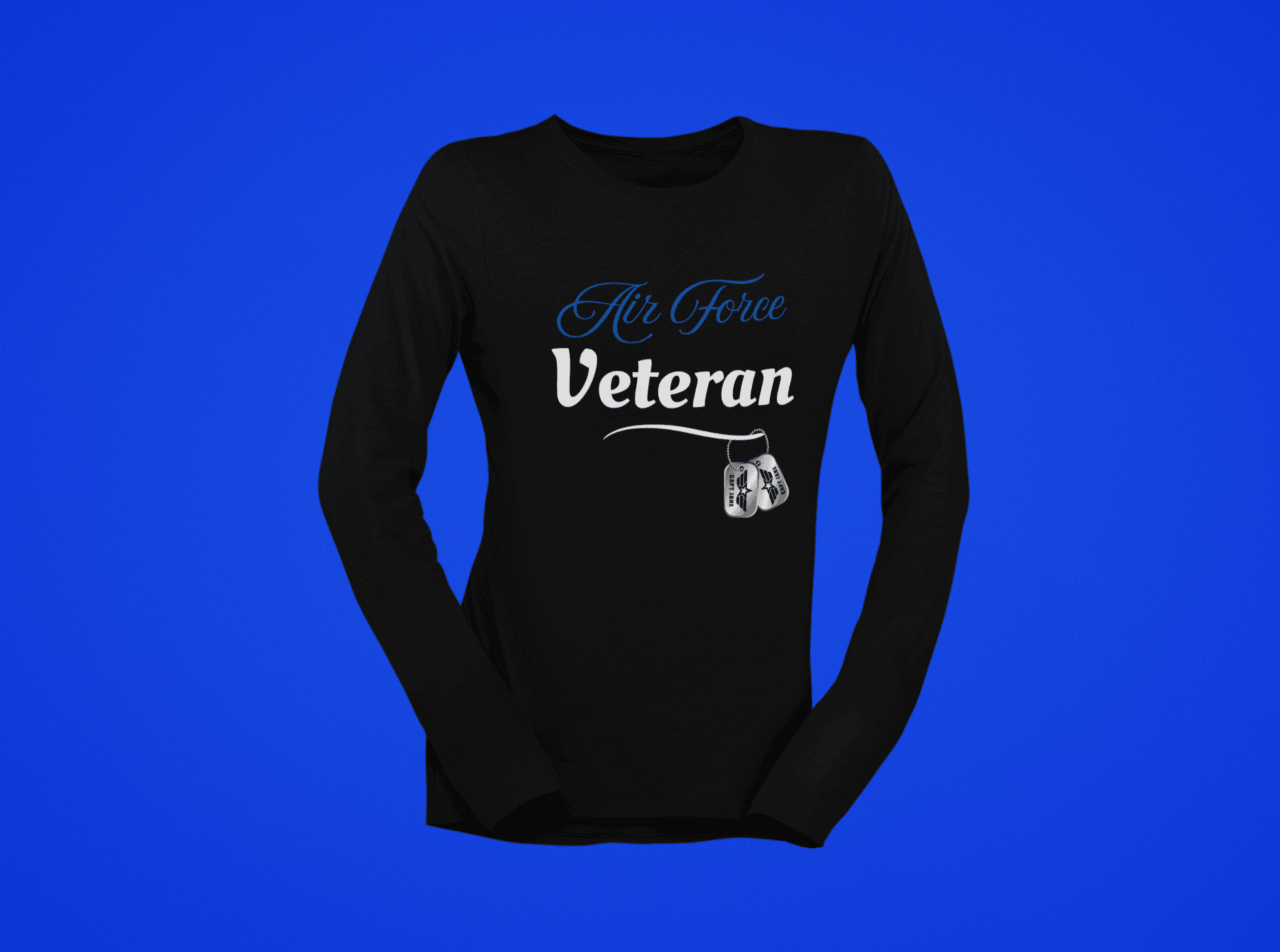
Women's Navy Veteran T-Shirts - Comfortable cotton with elegant "Navy" script and "Veteran" bold typography
Women's Navy Veteran Hoodies - Premium fleece featuring anchor and dog tag designs
Women's Navy Veteran Long Sleeves - Year-round comfort for female sailors
Specialty Designs - Honoring Navy nurses, pilots, surface warfare officers, submariners, and more
Design Philosophy: Navy gold and black color schemes representing service and strength, with nautical elements celebrating the maritime tradition women Navy veterans embody.
Why It Matters: Women comprise approximately 20% of the Navy, yet most Navy veteran apparel is designed for men. Female sailors deserve clothing that fits their bodies and honors their unique service experience—from serving on ships to pioneering roles women have only recently been allowed to fill.
Air Force Veteran Collection for Women (Coming Q4 2025)
Status: Design Phase | Launch: Mid-2026
Since the Women's Auxiliary Ferrying Squadron (WAFS) in 1942, women have soared in Air Force service. Our Air Force Veteran Collection celebrates female airmen who've served from the ground to the stratosphere.
What to Expect:
Women's Air Force Veteran T-Shirts - Breathable fabric perfect for active women veterans
Women's Air Force Veteran Sweatshirts - Cozy comfort with aviation-inspired designs
Women's Air Force Veteran Hoodies - Premium quality for female airmen
Pilot-Specific Designs - Honoring women Air Force pilots and aviators
Support Role Recognition - Celebrating maintainers, logistics, cyber, and all career fields
Design Philosophy: Sleek, modern designs incorporating Air Force blue and silver, with wing motifs and aviation elements representing women who've served in the wild blue yonder.
Why It Matters: Women Air Force veterans include pilots, navigators, engineers, cyber specialists, and countless other roles. They've broken altitude barriers and glass ceilings simultaneously. They deserve apparel that recognizes their specific contributions to air and space superiority.
Coast Guard Veteran Collection for Women (Coming Q1 2026)
Status: Concept Development | Launch: Late 2026
The Coast Guard has included women since 1918, with female service members serving in every Coast Guard mission from search and rescue to maritime law enforcement. Our Coast Guard Veteran Collection honors these often-overlooked heroes.
What to Expect:
Women's Coast Guard Veteran T-Shirts - Comfortable apparel for Coasties
Women's Coast Guard Veteran Hoodies - Maritime-inspired designs
Women's Coast Guard Long Sleeves - Honoring the "Always Ready" motto
Rescue Swimmer Recognition - Celebrating elite female rescue swimmers
Maritime Enforcement Designs - Honoring women in law enforcement roles
Design Philosophy: Coast Guard red, white, and blue with maritime rescue elements, anchors, and lifesaving imagery representing the humanitarian service women Coast Guard veterans provide.
Why It Matters: The Coast Guard is the smallest military branch but has one of the highest percentages of women service members. Female Coasties perform dangerous rescues, enforce maritime law, and protect our shores—often without the recognition they deserve. They need apparel that celebrates their unique service.
Space Force Veteran Collection for Women (Coming 2026)
Status: Future Planning | Launch: 2027
The newest military branch already includes women in critical roles. As the first women Space Force members transition to veteran status, we'll be ready to honor them.
What to Expect:
Women's Space Force Veteran Apparel - Futuristic designs for pioneering women
Guardian Recognition - Honoring the first female Guardians
Space Operations Designs - Celebrating women protecting space assets
Technology-Forward Aesthetics - Modern designs for the modern military branch
Design Philosophy: Sleek, futuristic designs incorporating space imagery, constellation patterns, and forward-thinking aesthetics representing women pioneering in space operations.
Why It Matters: Women Space Force members are writing history in real-time. As these trailblazers transition to veteran status, they deserve apparel that recognizes their role in establishing America's newest military branch.
Expanded First Responder Collections: Honoring Women Who Serve at Home
Female Police Officer Apparel (Coming Q1 2026)
Status: In Development
Women police officers face unique challenges in male-dominated departments while protecting communities daily. Our Female Police Officer Collection celebrates their courage, dedication, and service.
What to Expect:
"Protect & Serve" Women's T-Shirts - Honoring female law enforcement
Women's Police Pride Hoodies - Thin blue line designs for women officers
Detective & Investigator Apparel - Recognizing specialized roles
K9 Officer Recognition - Celebrating female K9 handlers
Women in Leadership Designs - Honoring female chiefs and commanders
Design Philosophy: Strong, authoritative designs incorporating thin blue line imagery, badges, and law enforcement symbols while maintaining feminine aesthetics.
Target Audience:
Active duty female police officers
Retired women law enforcement
Female detectives and investigators
Women correctional officers
Police department support staff

How Female Veterans Are Redefining Fashion in 2025
Here's a concise overview of the blog:
The inaugural blog for CAPT JANE, titled "The Story Behind CAPT JANE: From Military Base to Fashion," shares the inspiring journey of the brand's founders as they transitioned from military service to the world of fashion. It highlights how their experiences shaped the brand's philosophy of blending feminine elegance with subtle military influences, creating a style that embodies strength, resilience, and sophistication. The blog delves into the design approach, emphasizing functional yet stylish details that empower modern women to embrace their multifaceted identities. CAPT JANE is positioned as more than a fashion brand—it's a celebration of women’s journeys and a testament to their strength and grace.
How Female Veterans Are Redefining Fashion in 2025: Where Strength Meets Style
The era of choosing between femininity and patriotism is over. Female veterans are leading a fashion revolution that celebrates both—and it's changing everything.
The New Face of Military-Inspired Fashion
Walk into any coffee shop, gym, or weekend gathering in 2025, and you'll see it: women veterans wearing their service with pride, but on their own terms. Gone are the days when military pride meant oversized, masculine graphics on shapeless tees. Today's female veterans are rewriting the rules, proving that strength and femininity aren't opposites—they're the ultimate power combination.
This shift isn't just about fashion. It's about identity, empowerment, and a generation of women who refuse to be boxed into outdated stereotypes. They've served their country with honor, and now they're demanding apparel that honors them back—with style, sophistication, and an unapologetic celebration of who they are.
Breaking the Mold: Why Female Veterans Need Their Own Fashion Space
For too long, military-inspired fashion meant one thing: designs created by men, for men. Female service members had two choices: squeeze into undersized men's styles or settle for generic "women's cuts" that missed the mark entirely. Neither option captured the unique intersection of strength, grace, and fierce independence that defines female veterans.
The numbers tell the story. Women now represent over 17% of active-duty military personnel and nearly 10% of the veteran population—that's over 2 million female veterans in the United States alone. These aren't just statistics; they're mothers, entrepreneurs, athletes, leaders, and trendsetters who've been underserved by the fashion industry for far too long.
Enter brands like CAPT JANE, founded by female officers who lived this frustration firsthand. On a bustling military base, two remarkable women looked at each other and asked a simple question: "Why doesn't apparel exist that celebrates our service AND our femininity?" That question sparked a movement.
The 2025 Veteran Fashion Revolution: Key Trends
1. Bold Typography Meets Empowerment Messaging
The days of subtle, apologetic veteran pride are over. In 2025, female veterans are wearing their status boldly, with designs that command attention and start conversations. The most popular pieces feature empowering phrases that speak to the dual identity of being both warrior and woman.
Take CAPT JANE's bestselling "Veteran Baddie" collection. The design doesn't whisper—it declares. With striking graphics and confident typography, it celebrates the women who earned their stripes or bars and refuse to dim their light for anyone. It's the perfect answer to anyone who ever suggested femininity and military service were incompatible.
"I wore my Veteran Baddie tee, and three women stopped me to say they needed one," shares Chani., Army veteran. "It's not just a shirt—it's a conversation starter about what it means to be a strong woman who served."
2. Femininity as Strength, Not Weakness
Perhaps the most significant shift in 2025 is the reclamation of femininity as a form of power. Female veterans are embracing fitted cuts, strategic styling, and designs that celebrate their bodies—not hide them. This isn't about conforming to anyone's expectations; it's about expressing authentic identity.
The "Know Your Worth" collection from CAPT JANE exemplifies this trend perfectly. Designed to empower the unstoppable version of you, these pieces don't just make you feel powerful—they redefine how you see yourself. Because in 2025, knowing your worth means owning your future, your service, and your style simultaneously.
Fashion psychologists note that what we wear directly impacts how we feel and how we're perceived. When female veterans wear apparel that honors both their service and their femininity, it's a declaration: "I don't have to choose. I can be both—and I am both."
3. From Uniform to Unique: Personal Expression
Military service requires uniformity, conformity, and following regulations down to the exact placement of your name tape. But after service? Female veterans are celebrating the freedom to express their individuality—while still honoring their military identity.
This has led to designs that blend military symbolism with personal style. Think dog tags reimagined as fashion statements, angel wings combined with service insignias, and camouflage patterns transformed into contemporary streetwear. It's military pride reimagined through a feminine lens.
4. Athleisure Meets Military Chic
The fitness and wellness industry has become a natural home for many female veterans, and their fashion reflects this lifestyle. In 2025, the most popular veteran apparel seamlessly transitions from morning workout to afternoon errands to evening social events.
These versatile pieces pair perfectly with jeans, yoga pants, leather jackets, or blazers. They're designed for women who move through multiple roles in a single day—veteran, athlete, professional, mother, entrepreneur—without missing a beat.
5. Community Over Competition
Perhaps the most powerful trend is the sense of community these fashion choices create. When a female veteran wears a piece from CAPT JANE, she's not just making a style statement—she's signaling membership in an exclusive club. It's an immediate connection point with other female veterans and military spouses.
The Power of Veteran-Owned Brands
There's something uniquely powerful about buying from brands created by veterans, for veterans. These companies don't just understand the market—they ARE the market. Every design choice, every cut, every message is informed by lived experience.
CAPT JANE stands out in this space because its founders are female officers who dedicated their lives to service before dedicating themselves to filling this gap in the market. They spent countless hours researching, sketching, and designing apparel that balances femininity and strength because they knew exactly what was needed. They envisioned clothing that would empower women to feel confident, capable, and proud of their service—because that's what they wished they'd had.
This authenticity resonates. When you purchase from a veteran-owned business like CAPT JANE, you're not just buying a product—you're supporting a mission to empower female service members and veterans to express themselves authentically.
Styling Military-Inspired Fashion for Everyday Life
The beauty of 2025's veteran fashion is its versatility. Here's how female veterans are incorporating these pieces into their daily wardrobes:
Casual Weekend Look
Veteran Baddie tee paired with high-waisted jeans and white sneakers
Add a leather jacket for edge
Minimal jewelry—let the shirt make the statement
Perfect for: Coffee runs, farmers markets, casual brunches
Gym to Errands
Know Your Worth athletic top with black leggings
Throw on an oversized cardigan for post-workout errands
Sleek ponytail and minimal makeup
Perfect for: Fitness classes, grocery shopping, school pickup
Elevated Casual
Military-inspired graphic tee tucked into midi skirt
Ankle boots and a structured blazer
Statement earrings
Perfect for: Lunch meetings, veteran networking events, date nights
Boss Mode Professional
Boss Mode collection piece under a tailored blazer
Fitted trousers or dark jeans
Pointed-toe flats or heels
Perfect for: Casual Fridays, entrepreneurial meetings, speaking engagements
Beyond Fashion: The Bigger Picture
This fashion revolution isn't superficial—it's deeply meaningful. When female veterans find apparel that celebrates their complete identity, several powerful things happen:
1. Visibility Increases Every woman wearing veteran-inspired fashion becomes a walking advertisement for female service. It challenges stereotypes and shows young women that military service is absolutely for them.
2. Mental Health Improves Studies show that when people dress in ways that align with their identity, their mental health and self-esteem improve. For veterans transitioning to civilian life, clothing that honors their service while celebrating their femininity can be a powerful tool for integration.
3. Community Strengthens Fashion becomes a point of connection. Female veterans recognize each other, start conversations, and build networks that provide support, mentorship, and friendship.
4. The Industry Responds As female veteran fashion gains popularity, more brands will enter the space. More options mean better representation and more women feeling seen and celebrated.
The 2025 Call to Action: Own Your Story
If you're a female veteran, first responder, or military spouse, 2025 is your year to own your story through fashion. You don't have to choose between strength and femininity, between service and style, between patriotism and personal expression. You can—and should—embrace it all.
The fashion revolution happening right now isn't about following trends. It's about setting them. It's about looking in the mirror and seeing all of who you are reflected back: the warrior, the woman, the leader, the individual who chose to serve and now chooses to shine.
Start Your Fashion Revolution:
✨ Browse the Know Your Worth Collection – Redefine how you see yourself in 2025
✨ Rock the Veteran Baddie Design – Celebrate the warrior spirit that refuses to dim
✨ Support Veteran-Owned – Every purchase at CAPT JANE empowers the mission
✨ Join the Community – Connect with female veterans who are rewriting the rules
The Future is Feminine and Fierce
As we move through 2025 and beyond, one thing is clear: female veterans are done compromising. They're done with fashion that doesn't see them, brands that don't understand them, and styles that don't celebrate the fullness of who they are.
This isn't just a fashion trend—it's a cultural shift. Female veterans are claiming space, demanding recognition, and building a new paradigm where strength and femininity aren't just compatible—they're complementary.
The question isn't whether this revolution will continue. It's whether you'll be part of it.
Ready to redefine fashion on your terms? Explore CAPT JANE's empowering collections and join thousands of female veterans who are owning their power, celebrating their service, and looking absolutely incredible while doing it.
👉 Shop the Revolution:www.captjane.com
Because you've earned your stripes. Now wear them with pride—and style.
About CAPT JANE: Founded by female military officers who saw a gap in the market and decided to fill it, CAPT JANE creates empowering apparel for female veterans, service members, and first responders. Every design celebrates the intersection of strength and femininity, proving you never have to choose between patriotism and personal style. Veteran-owned. Woman-led. Unapologetically bold.
#FemaleVeterans #VeteranFashion #CAPTJANE #KnowYourWorth #VeteranBaddie #MilitaryWomen #EmpoweredFashion #VeteranOwned #WomenInService #2025Fashion